How to use this digital program
We'd love for you to use this program following a few guidelines:
Dim your screen
Turn your phone on silent
Turn off your camera flash
Do not take any videos during the performance
If you need help with your digital program please chat to one of our friendly front of house team.
Proudly supported by:

| From our Artistic Director
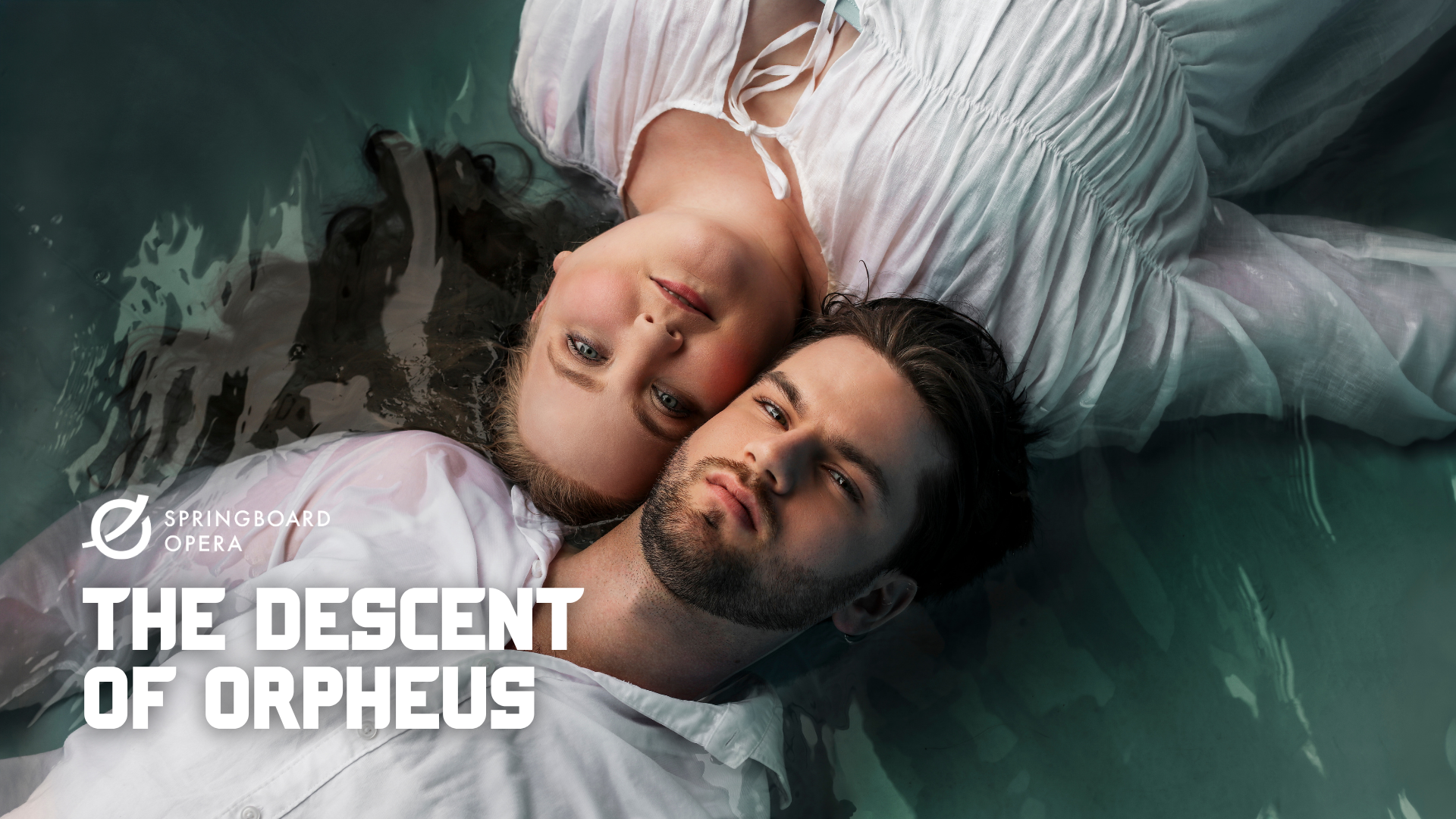
The Descent of Orpheus is Springboard Opera at its core: a company built to champion Queensland's emerging artists while reimagining what opera can be. Charpentier's intimate, expressive score gives our young Brisbane singers a rare opportunity to work closely with stylistic experts including Peter Roennfeldt and Lois Redman, alongside a dedicated ensemble of Baroque musicians, immersing themselves in a vocabulary of ornamentation, declamatory phrasing, and historically informed practice that few emerging artists encounter this early in their careers.
It's no accident that Baroque opera is so often where singers make their professional debut — its emphasis on clarity, breath control, and nuanced text-setting makes it an exceptional training ground, building technical foundations that will serve these artists across every repertoire they go on to sing.
True to Springboard's mission of transforming the opera idea, we've also chosen to stage this work somewhere opera rarely goes: The Grand on Ann, our venue partner, brings its own distinctive character to the production, inviting audiences to experience this ancient myth in a setting as unconventional as the artists bringing it to life.
This is opera made new, by the artists who will shape its future.
- Leslie Martin
Springboard Opera Artistic Director
| From the Director
American theatre and opera director Diane Paulus has described opera as ‘the ultimate art form’, having singing, music, drama, dance, emotion and story. In today’s marvellous Charpentier work, we have a feast of the elements to which Paulus refers.
Each element informs the others. Nothing operates independently. Throughout the rehearsal period, Peter Roennfeldt and I have been constantly awed at how the story informs the dance, the music informs the drama, the emotion informs the singing, and on and on it goes.
I thank Springboard Opera for undertaking this project, and for giving emerging artists a rare opportunity of studying such a sophisticated work in a comprehensive manner. Whilst expanding their understanding of the style of the French Baroque, to then imbue this with spontaneity and naturalness is no mean feat.
- Lois Redman
Director, The Descent of Orpheus
| Synopsis
ACT I
A wedding is about to take place in the forest, where Eurydice and her companions gather to mark her union with Orpheus. The celebration is shattered when a serpent strikes, and Eurydice dies before the wedding can be completed. Orpheus arrives only in time to witness her death, and in his despair, prepares to end his own life rather than live without her. His father, the god Apollo, intervenes — persuading him that his gift for music might achieve what grief cannot, and urging him to journey into the Underworld itself to plead for Eurydice's return.
ACT II
Deep in the Underworld, Orpheus's voice brings a strange peace to the tormented souls he passes. Standing before Pluto, ruler of this realm, he begs for Eurydice to be released. Pluto is unmoved at first, but the combination of Orpheus's singing and the intercession of Proserpina, Pluto's wife, gradually softens his resolve. At last he grants Orpheus his wish — Eurydice may leave with him — but only if he resists looking back at her until they have both returned to the world above. As the pair prepare to depart, the spirits of the Underworld mourn the loss of the music that has moved them so deeply.
| A Deep Dive with Peter Roennfeldt
La Descente d’Orphée aux Enfers is in just two acts, which is rather uncommon for operas of the time. Some scholars suggest that a third and final act may have been lost, or never composed at all, while others consider it to be complete, as its length is equivalent to several other Charpentier theatrical works. The title indicates that this opera is not a complete retelling of the legend, but rather it focuses on Orphée’s arrival in the Underworld in search of Euridice, and the winning of his quest for permission to return with her. Thus the libretto has a mostly positive ending, with no explicit indication of the legend’s tragic conclusion.
Several years after this work’s premiére, at an unspecified occasion but featuring all of his household musicians, Charpentier codified a system of keys and their moods, which clearly relates to La Descente. The opening Nymphs scene is in A major (rustic and joyous), leading to the sudden death of Euridice and poignant lament of her friends in A minor (tender and plaintive). Orphée’s father, Apollo appears to comfort and exhort him to action in Scene 3, which is in C major (cheerful and warlike), but the chorus of desperate Nymphs and Shepherds concludes Act 1 in A minor. Act 2 starts in F major (furious and outburst), where we meet the trio of tortured spirits in Scene 1 and the Furies in Scene 2. The following scene, largely in D minor (grave and devout), is where Orphée approaches Pluton, God of the Underworld, and his consort Prosperine. After three iterations of Orphée’s extended song, his music lightens up to G major (gently happy). This more animated style is taken up by Pluton in D major (cheerful and very warlike), the key of the concluding Scene 4. Charpentier’s succession of keys and their associated moods shows how carefully he paces and colours the dramatic narrative.
Seventeenth-century audience members would have been trained in dance as a normal accomplishment of persons of high society. It was also a pre-requisite for one’s attendance at the court of Louis XIV, himself a skilled dancer from his early years. There are many examples of baroque dance forms within La Descente. The opening scene has airs and choruses in the style of a Gavotte or a Minuet, while one of the instrumental interludes is a Bourrée. Throughout the work there are many sections in a medium tempo triple meter, suggesting a Sarabande, and this dance type is explicitly indicated in the final chorus and instrumental section. Our director Lois Redman has incorporated some of the traditional choreography of these formal dances into our production, but with clear links to the narrative.
Like many works by Charpentier, the original performers are named in his manuscript score, so we have a rare example of a complete opera cast list. Six of the singers were in their early twenties including most of the women, some of whom held the title of ‘chambermaid and musician in ordinary’, that is a full-time position. Three others were in their early thirties including two of the men, while only Charpentier was in his forties, having joined the household in about 1670. Although his voice type would have suited the title role, the singer cast as Orphée was François Anthoine, while Charpentier took the other haute-contre role of Ixion. Even some of the instrumentalists’ names are indicated in the score, which comprised two violins which double or alternate with flutes / recorders, two violas da gambas which accompany Orphée during Act 2, and a continuo group for which we are using harpsichord, cello and lute.
This production is an important landmark for early music in Brisbane. Although we cannot claim it as an Australian premiére – the opera was performed in Melbourne in 2016 – it is definitely a first local performance. For Peter Roennfeldt this is his third staged production of a Charpentier chamber opera, having presented performances of both Les Plaisirs de Versailles and Les Arts Florissants during the 1990s and early 2000s with his ensemble Cantilena Singers and Queensland Conservatorium student ensembles. A major advantage of these works is their modest scale, both in length and orchestration, which makes them highly accessible both for performers and audiences. We look forward to the day when circumstances might permit a production of the larger operas by Charpentier, particularly David et Jonathas and Medée, both of which have been already been performed in Sydney by Pinchgut Opera.
- Peter Roennfeldt
Music Director, The Descent of Orpheus
Meet the Cast
-
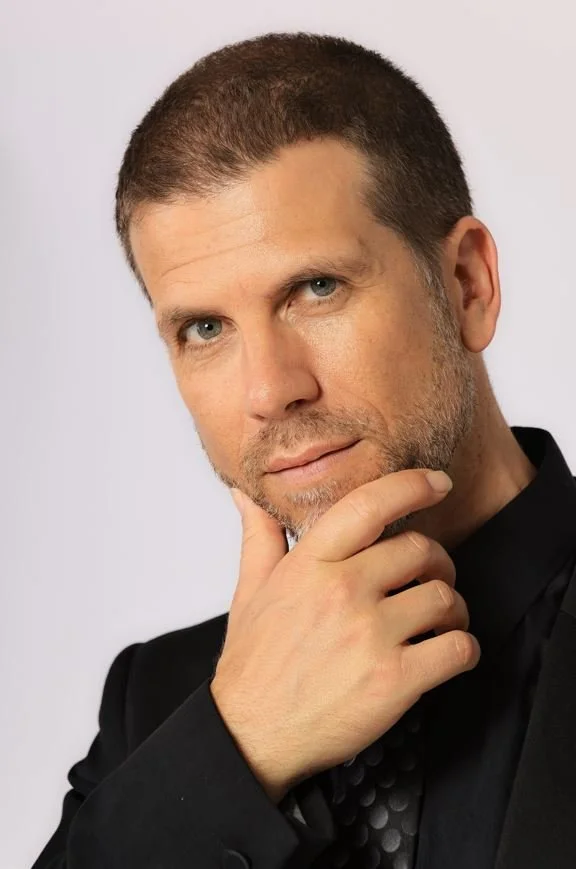
![A man with short brown hair and blue eyes, dressed in a black suit, is touching his chin with his right hand and looking at the camera against a plain light background.]()
Mattias Lower
-
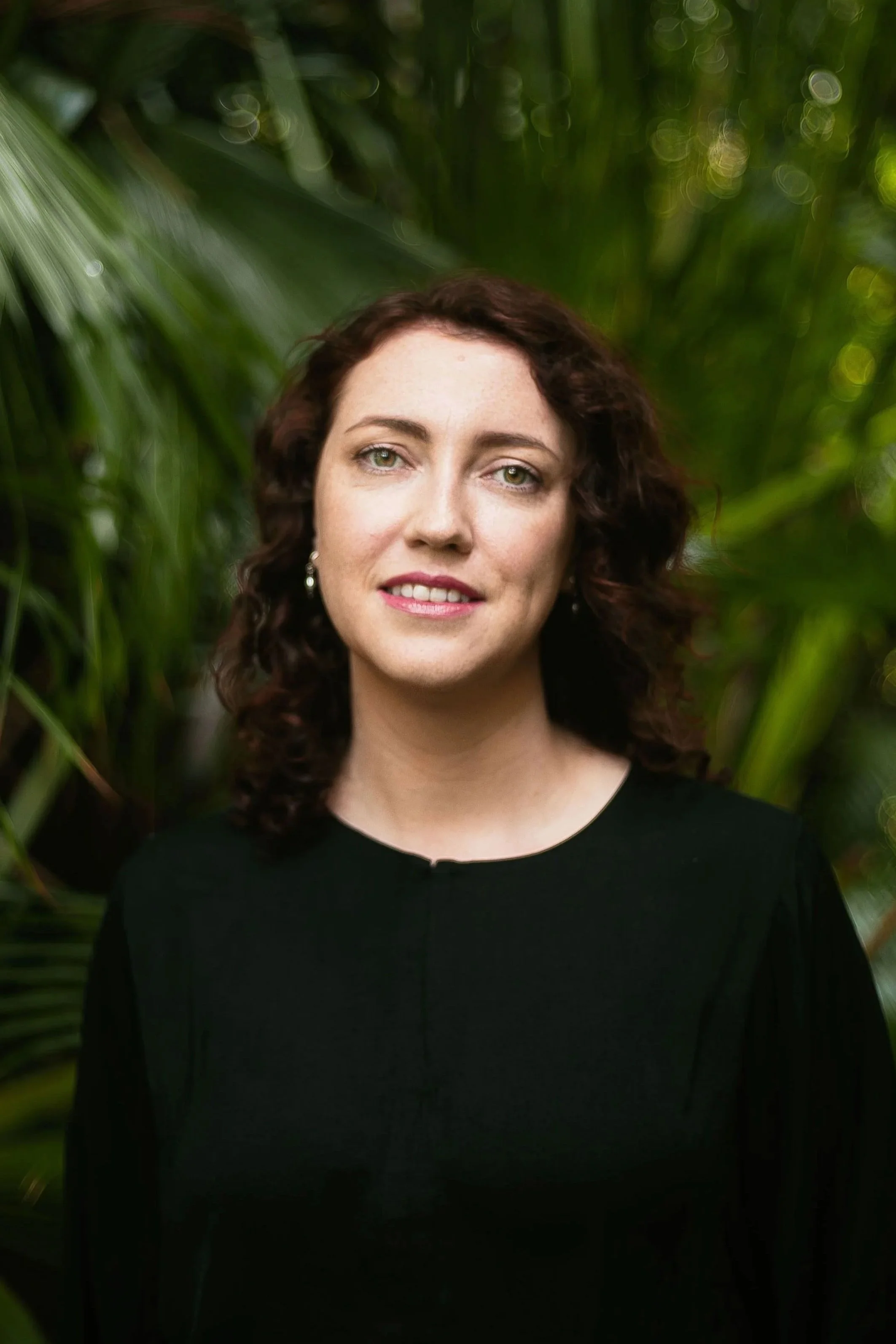
![A woman with curly brown hair and light skin, wearing a black top and earrings, standing in front of green tropical foliage.]()
Madeline Gibbs
-
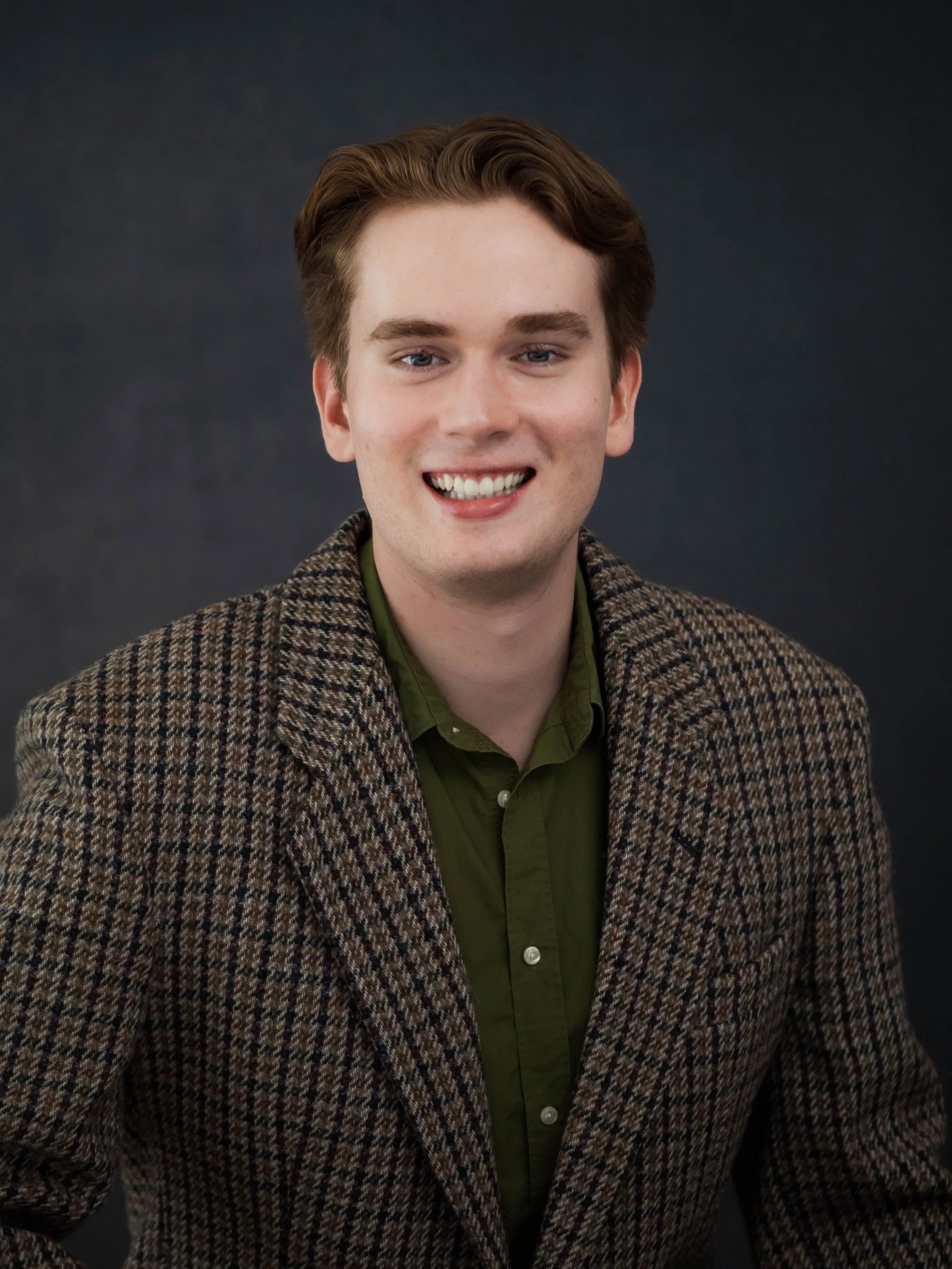
![Portrait of a young man with light skin, brown hair, wearing a green shirt and a brown checked blazer, smiling against a dark background.]()
Harry Hammett
-
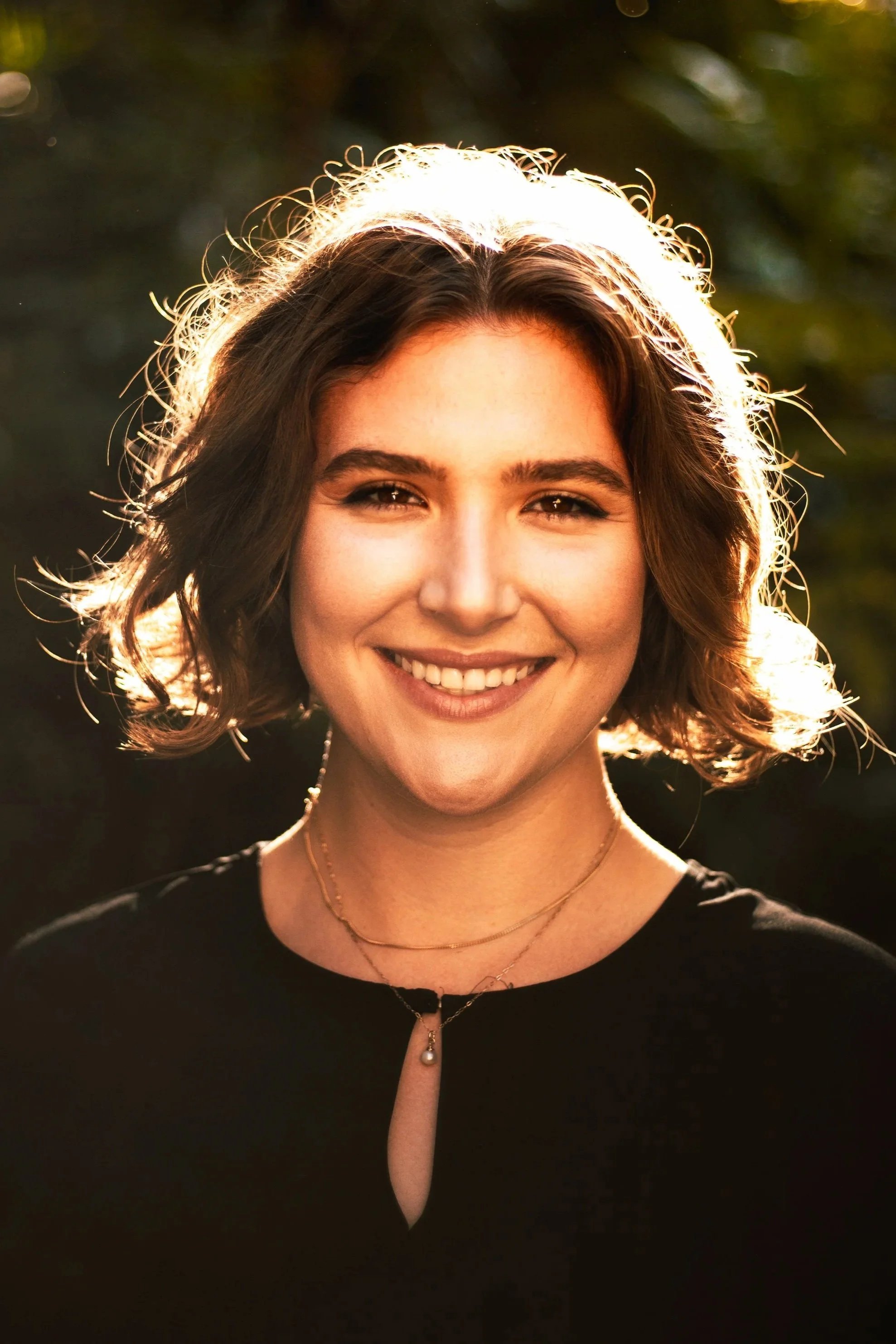
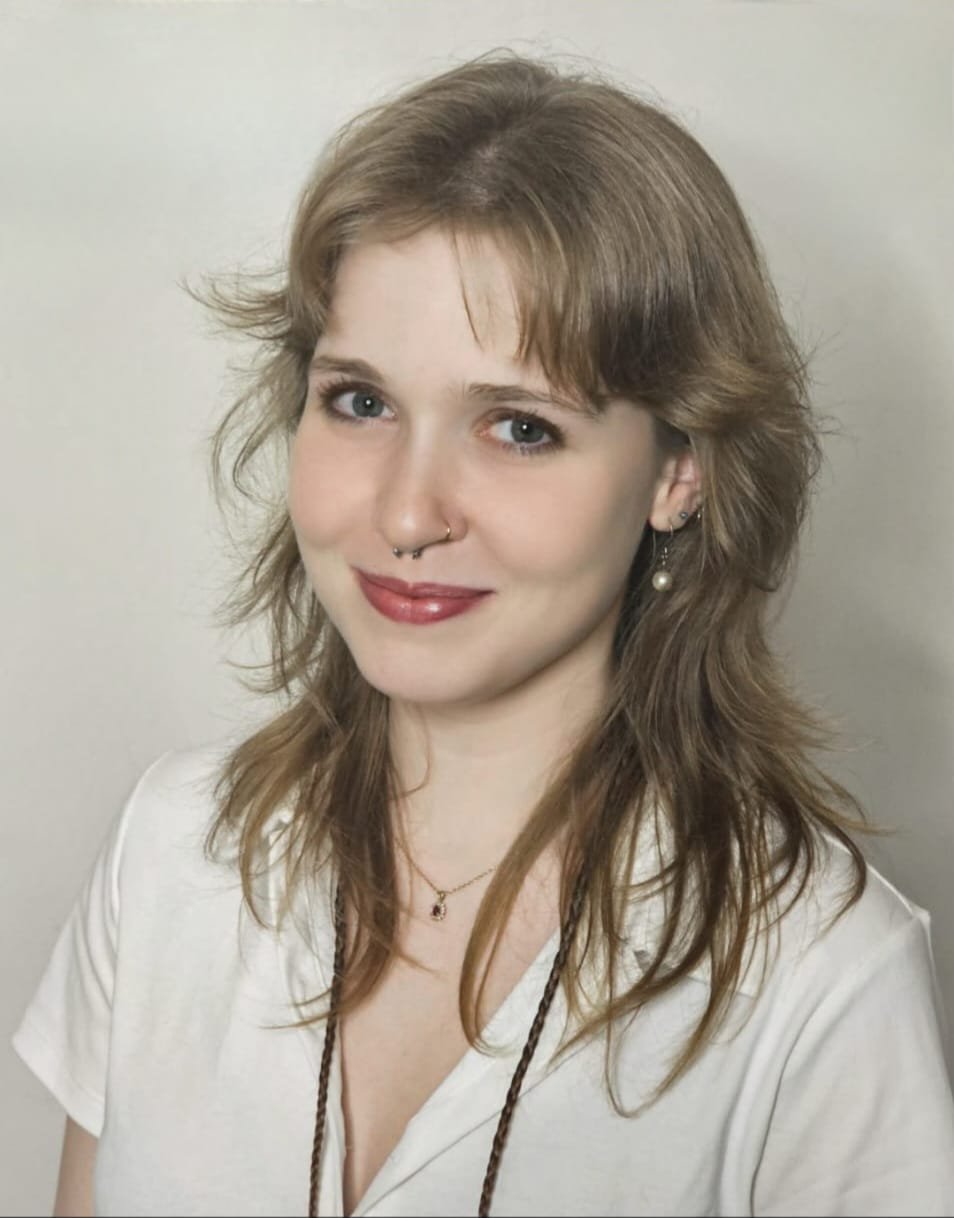
![A woman with mid-length dark hair wearing a black top, smiling in front of a background of blurred trees]()
Sophia Mortensen
-
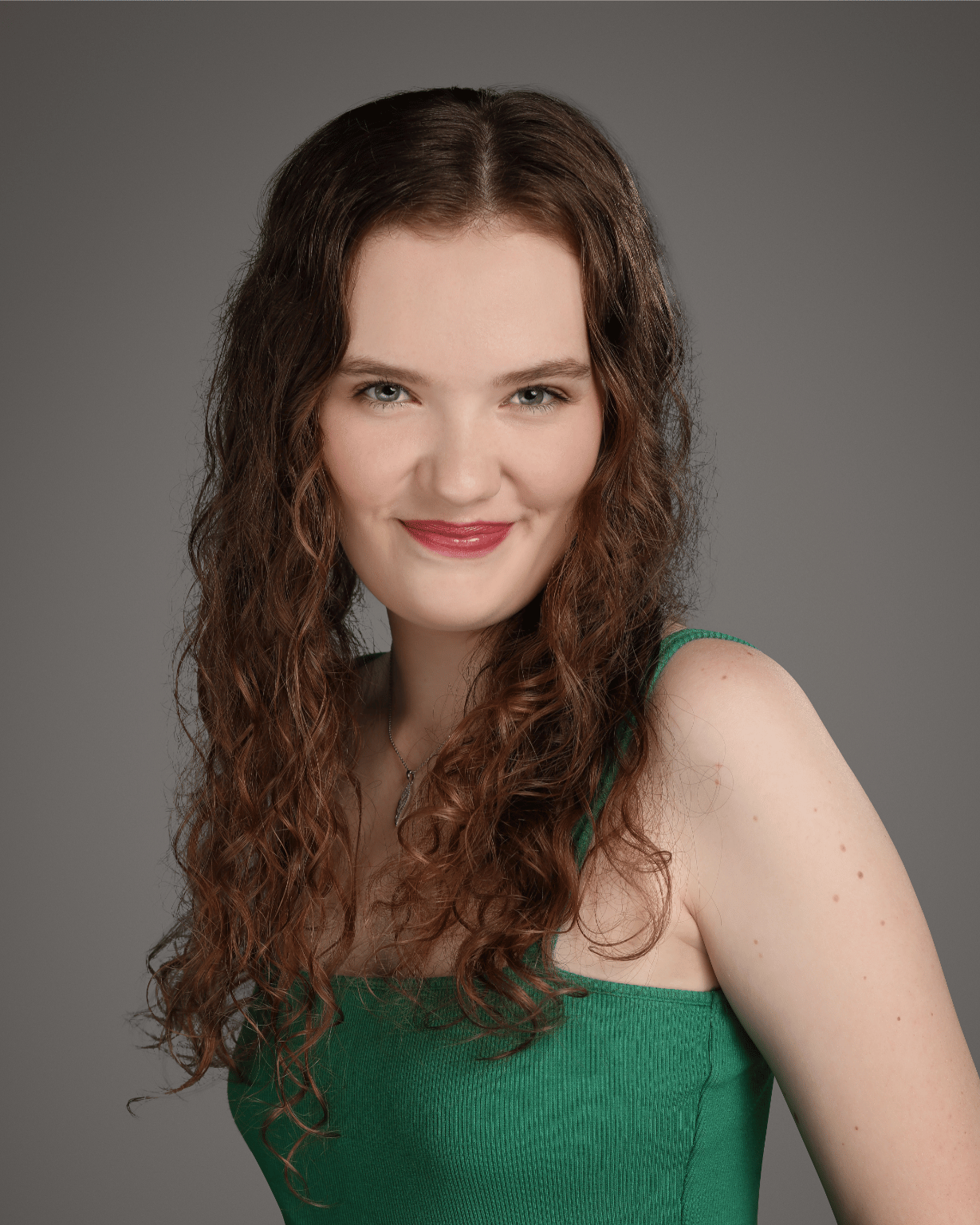
![Close-up portrait of a young woman with long, curly, auburn hair wearing a green tank top against a gray background.]()
Beth Allen
-
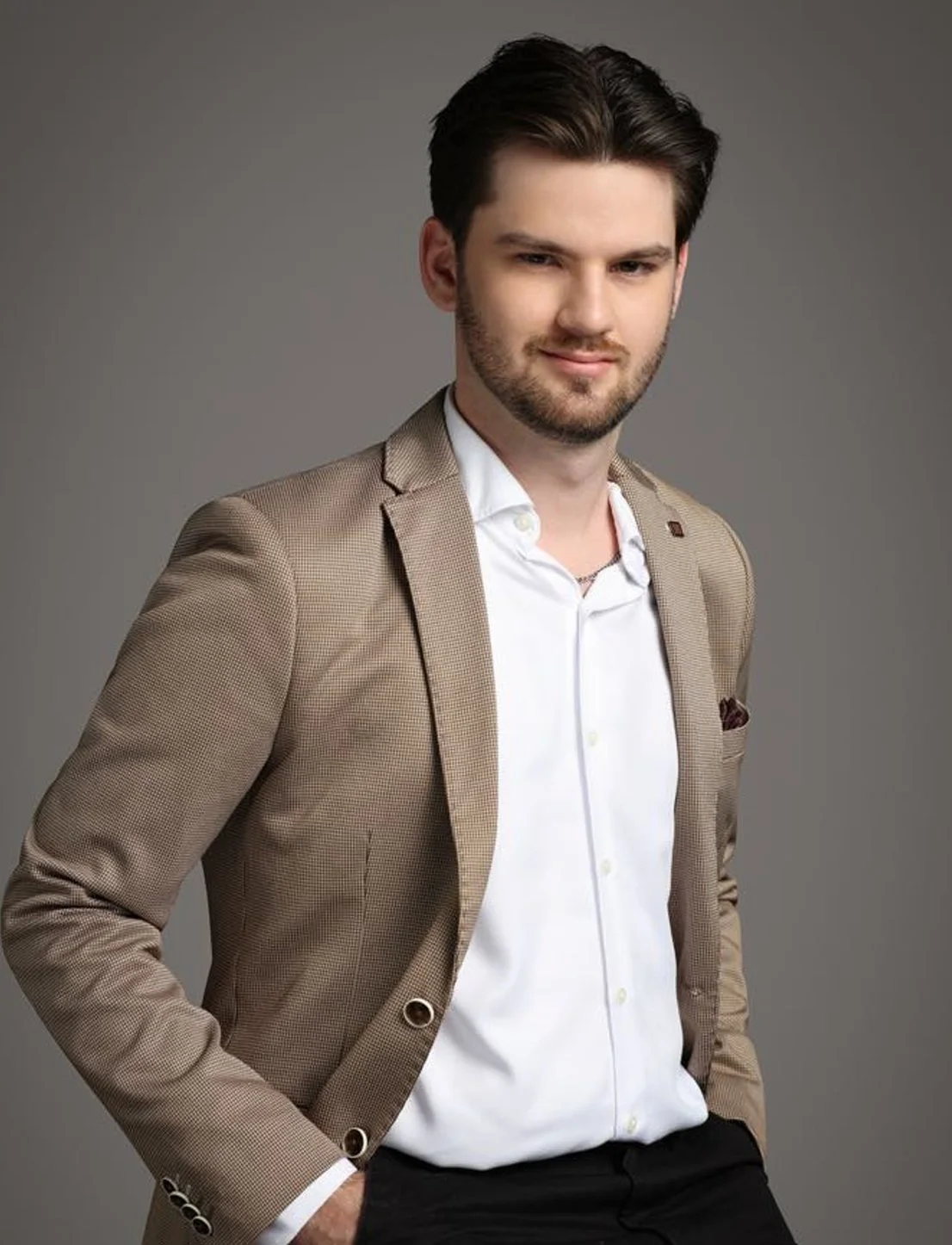
![A young man with dark hair and a beard, wearing a beige blazer over a white shirt and black pants, standing against a gray background.]()
Patrick Bischoff
-
![A woman with shoulder-length red hair, wearing a patterned shirt, smiling and looking at the camera against a plain background.]()
Johanna Collins
-
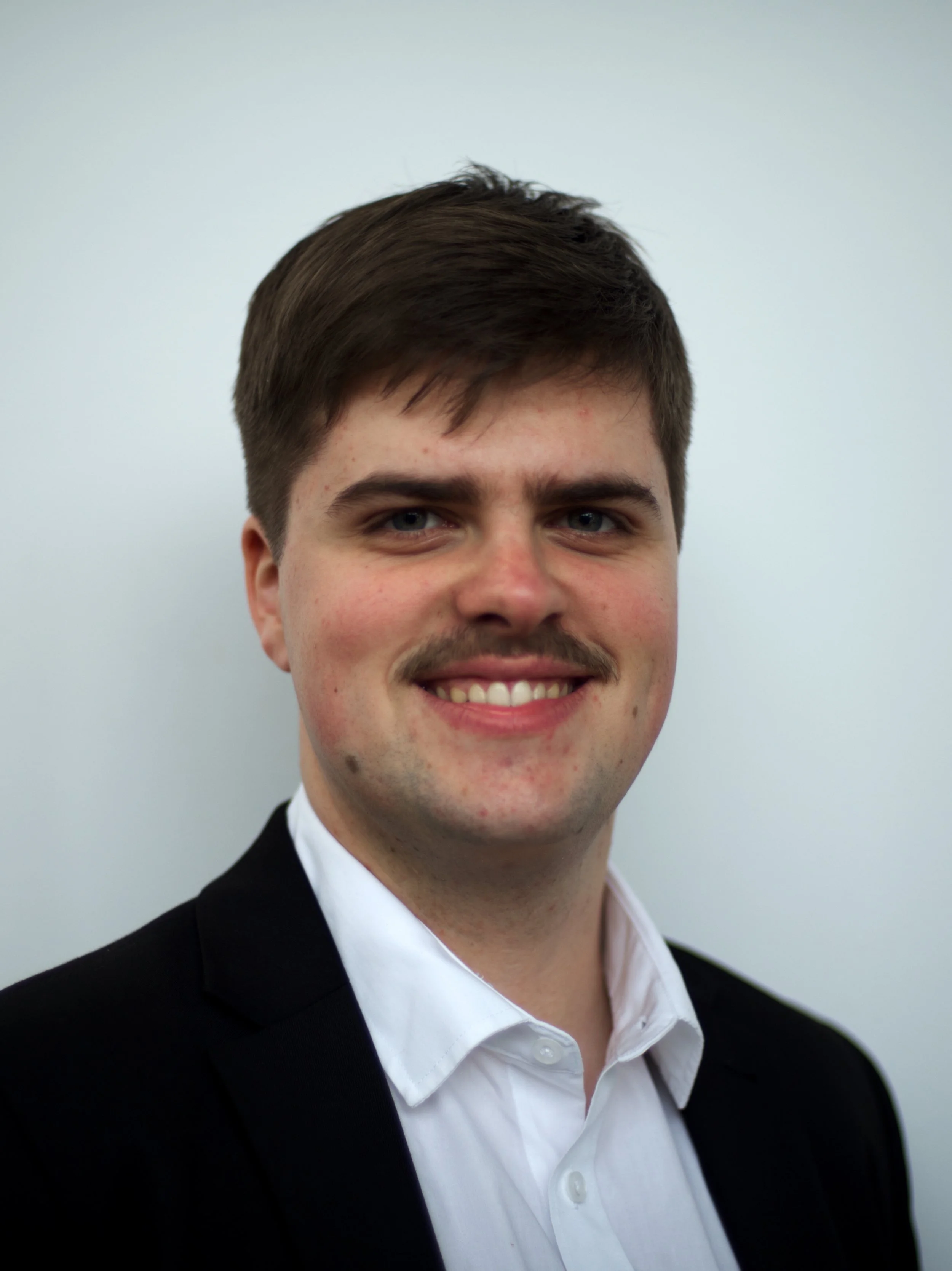
![A young man with dark brown hair, blue eyes, and a light complexion, smiling in front of a plain white background. He is wearing a white button-up shirt and a black blazer.]()
Elliott Beauchamp
-
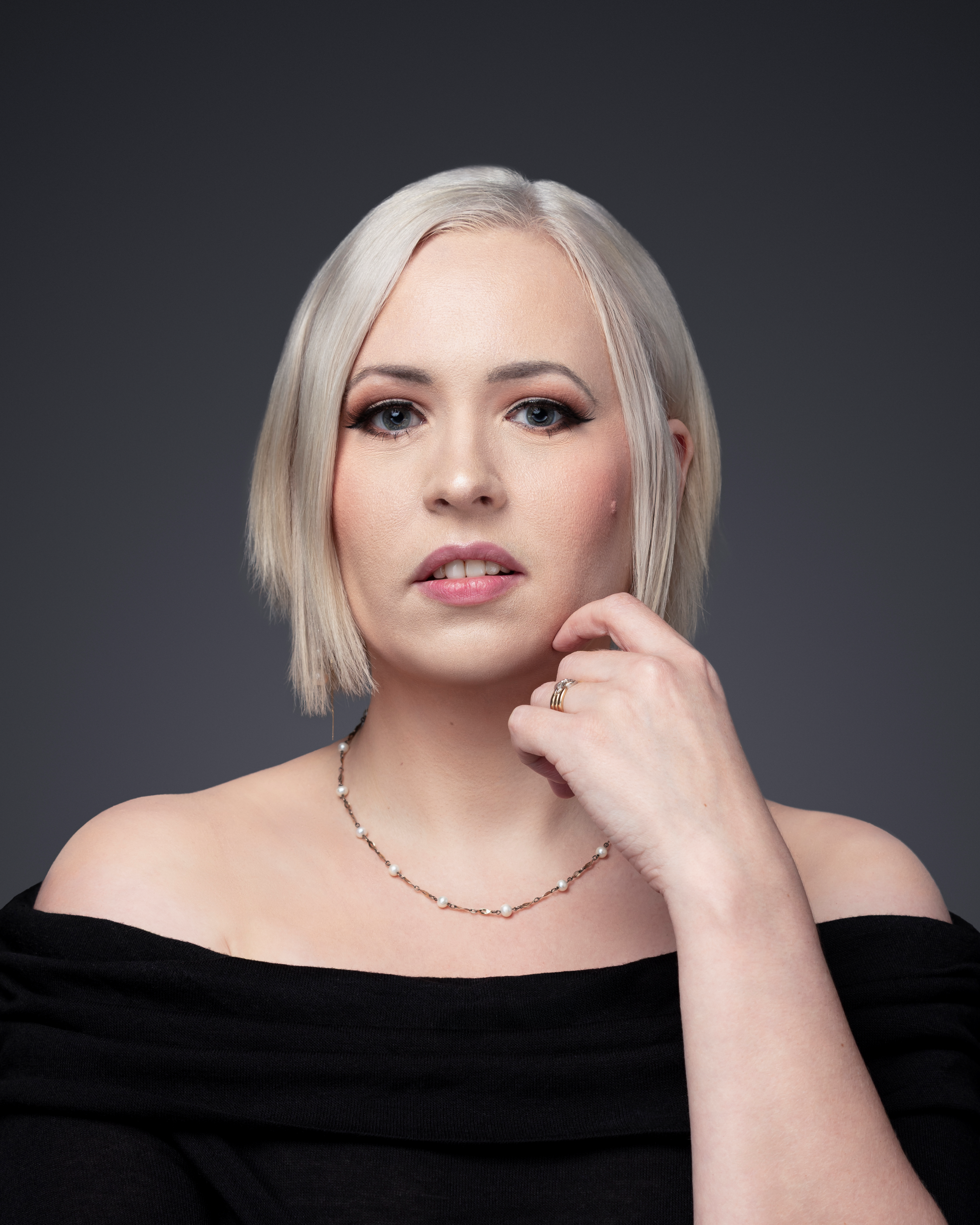
![Portrait of a woman with short platinum blonde hair, wearing a black off-shoulder top, pearl necklace, and gold ring, touching her chin against a gray background.]()
Cassie Midgley
-
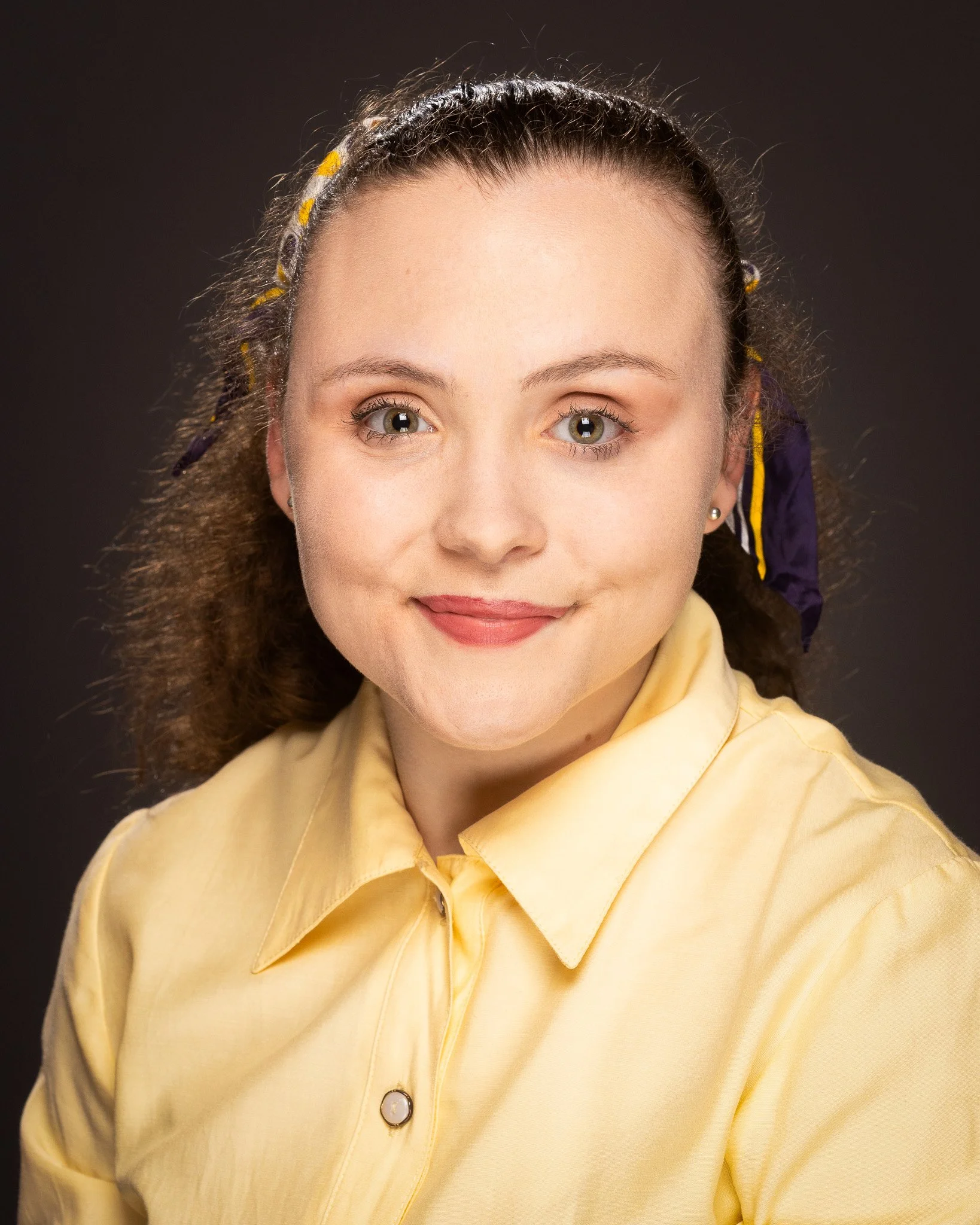
![Portrait of a woman with curly hair, wearing a yellow collared shirt, with a dark background.]()
Rachael McFarlane
-
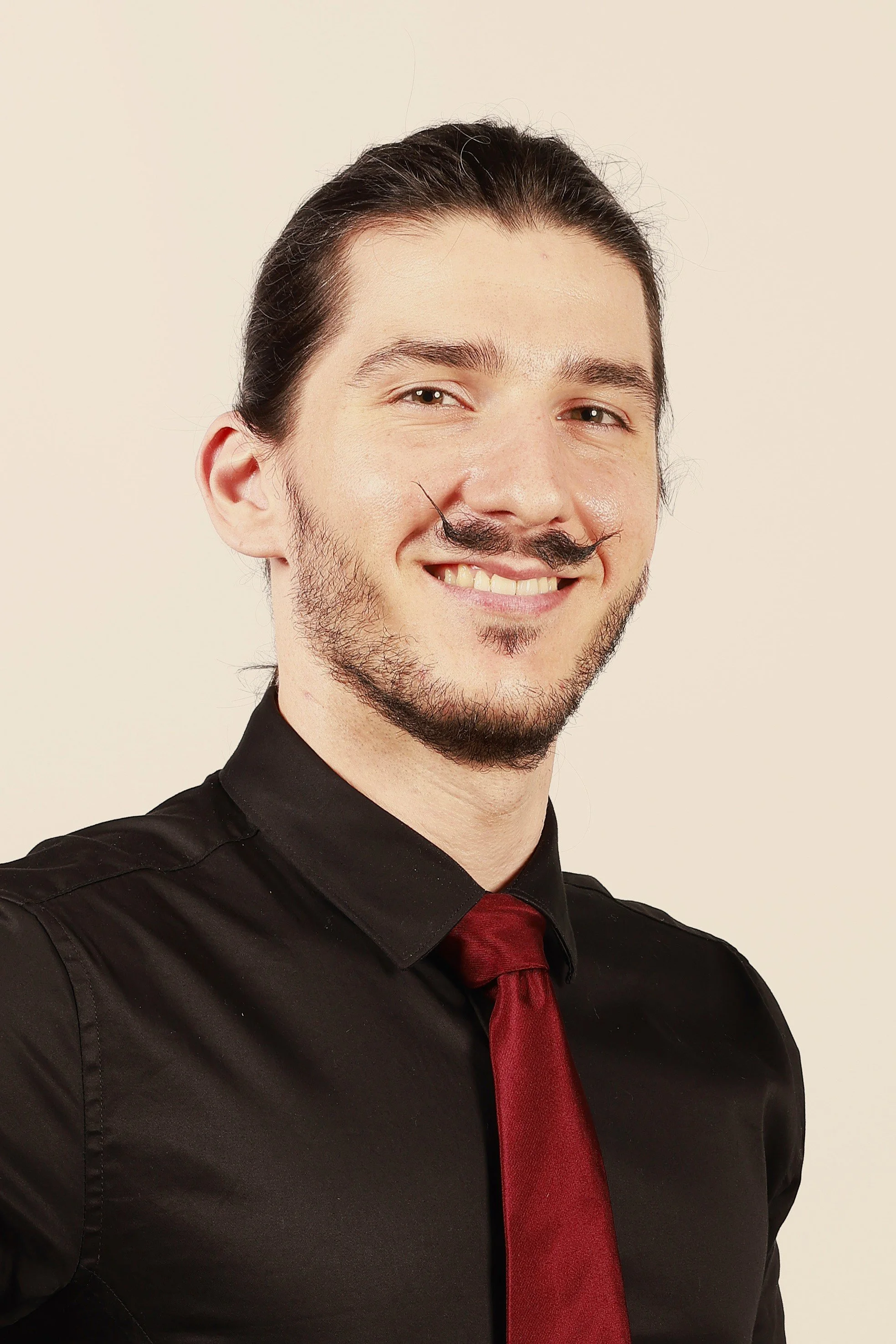
![A man with long dark hair, a beard, and a mustache styled into curls, wearing a black shirt and a red tie, smiling with a neutral background.]()
Zachary Vella
| The Orchestra
Margaret Connolly, Violin 1
Wayne Brennan, Violin 2
Joshua Cass, Recorder/Flute
Ravind Sangha, Flute/Recorder
Shannon Scheltema, Viola da Gamba
Shannon Luk, Viola da Gamba
Alison Smith, O’Connell | Cello
Philip Griffin, Lute
Peter Roennfeldt, Harpsichord
| Production Team
Music Director: Peter Roennfeldt
Director: Lois Redman
Executive Producer: Leslie Martin
Lighting: Christie Eckersley
Wardrobe and Props: Leslie Martin and Lois Redman
Marketing: Cameron Bryer, Luisa Tarnawski
| Springboard Opera Board
Don Jameson, Chair
Vanessa Morris, Secretary
Cameron Bryer
Nicholas Davison
Leslie Martin
Luisa Tarnawski
| Thank you
French Consul, Mr Alain Etchegaray
4MBS - our media and rehearsal venue partner
The Grand Lodge of Antient Free and Accepted Masons of Queensland
Peter Roennfeldt
Peter McMillan
Lois Redman
Qld Conservatorium Griffith University
Success on Stage
Alliance Francaise
Early Music Society Queensland
Drew Carmichael
Jennifer Enchelmaier
Calista Walters
Wes Taylor
Kevin Gomez
Our volunteers: Ayesha, Clarissa, Anthony, Dallas, Imogen, Chloe, Lina
What your ticket supports
Each ticket purchased at full price, provides approximately 1 hour of rehearsal time for a singer with an accompanist. Springboard Opera is a not for profit organisation that creates a platform for emerging Brisbane singers, directors, conductors, designers and more, to launch their careers. Your support through the purchase of your ticket is much appreciated.
Our next show:
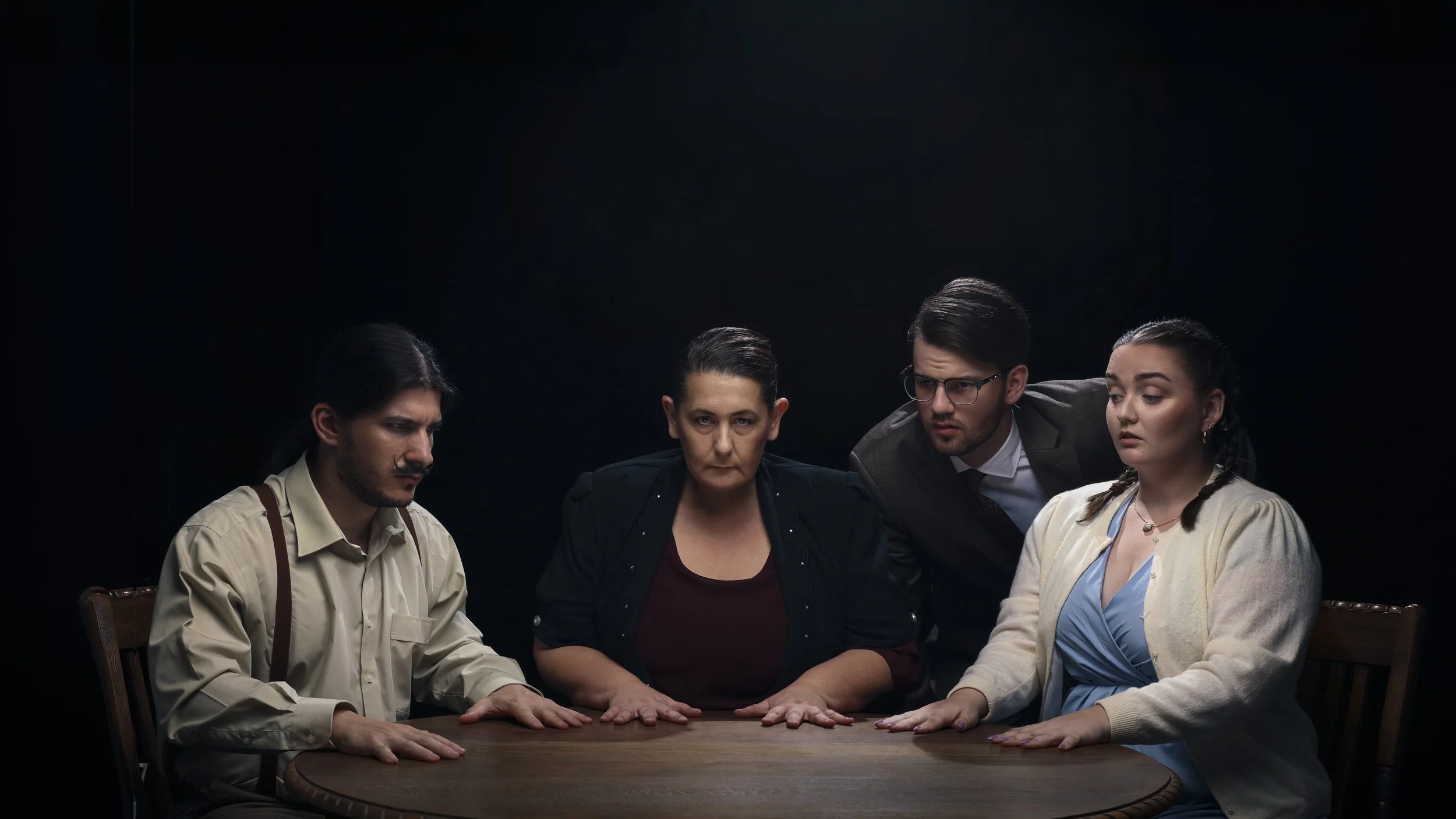
The Medium
Date:
7:00pm, 31 October
3:00pm, 1 November
Madame Flora is a fraud. Preying on the desperate grief of those who wish to hear from beyond the grave, she holds fake seances and profits from these shows of illusion. It’s a family affair, involving her daughter Monica, and Toby, a servant boy rescued from the streets. But one day, as the table shakes and and the lights flicker, something odd happens. A hand, unseen, grabs her throat. She is no longer in control.
Gian Carlo Menotti’s The Medium is a chilling descent into deception, madness, and the supernatural. Led by Director, Sean Dennehy, you’ll be kept on the edge of your seat, as you start to wonder what is real, and what is the projection of Flora’s guilty conscience. Held over the Halloween weekend, it’s the perfect operatic outing for the spooky season
Location: Grand on Ann
Tickets:
Adults - $85
4MBS Subscribers - $75
Student, Child & Companion tickets available
Springboard Opera would like to thank our supporters:
Brisbane City Council, Grand on Ann, Success On Stage, and all our wonderful volunteers.